Understanding WPC Materials and Their Importance
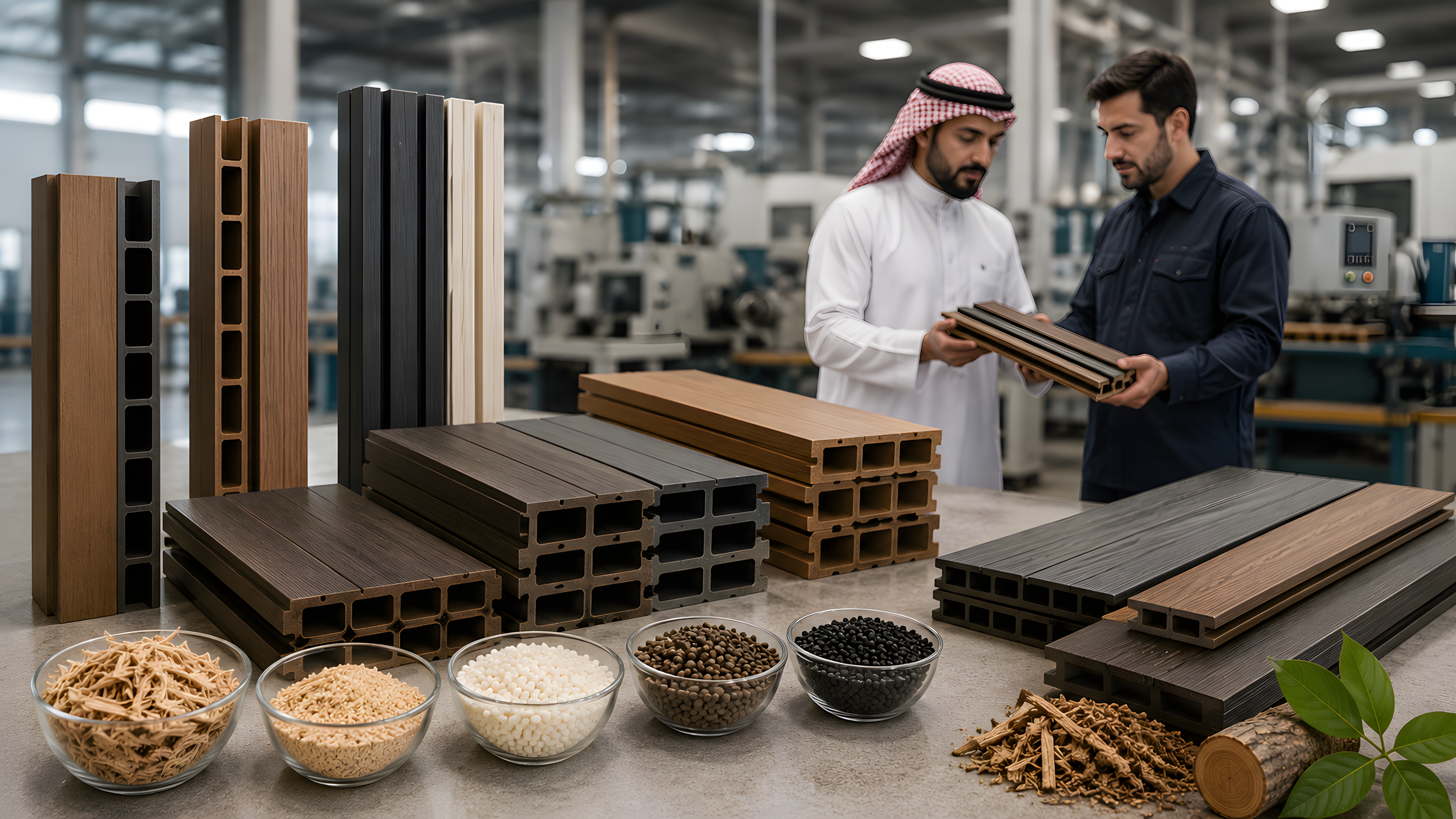
Wood Plastic Composite (WPC) materials are increasingly popular in manufacturing due to their durability, sustainability, and versatility. They combine wood fibers or flour with thermoplastics, creating products that are resistant to moisture, insects, and decay — ideal for the demanding environments of Saudi Arabia and the GCC region. Choosing the right WPC materials ensures your products meet quality standards and customer expectations.
Key Properties to Consider When Selecting WPC Materials
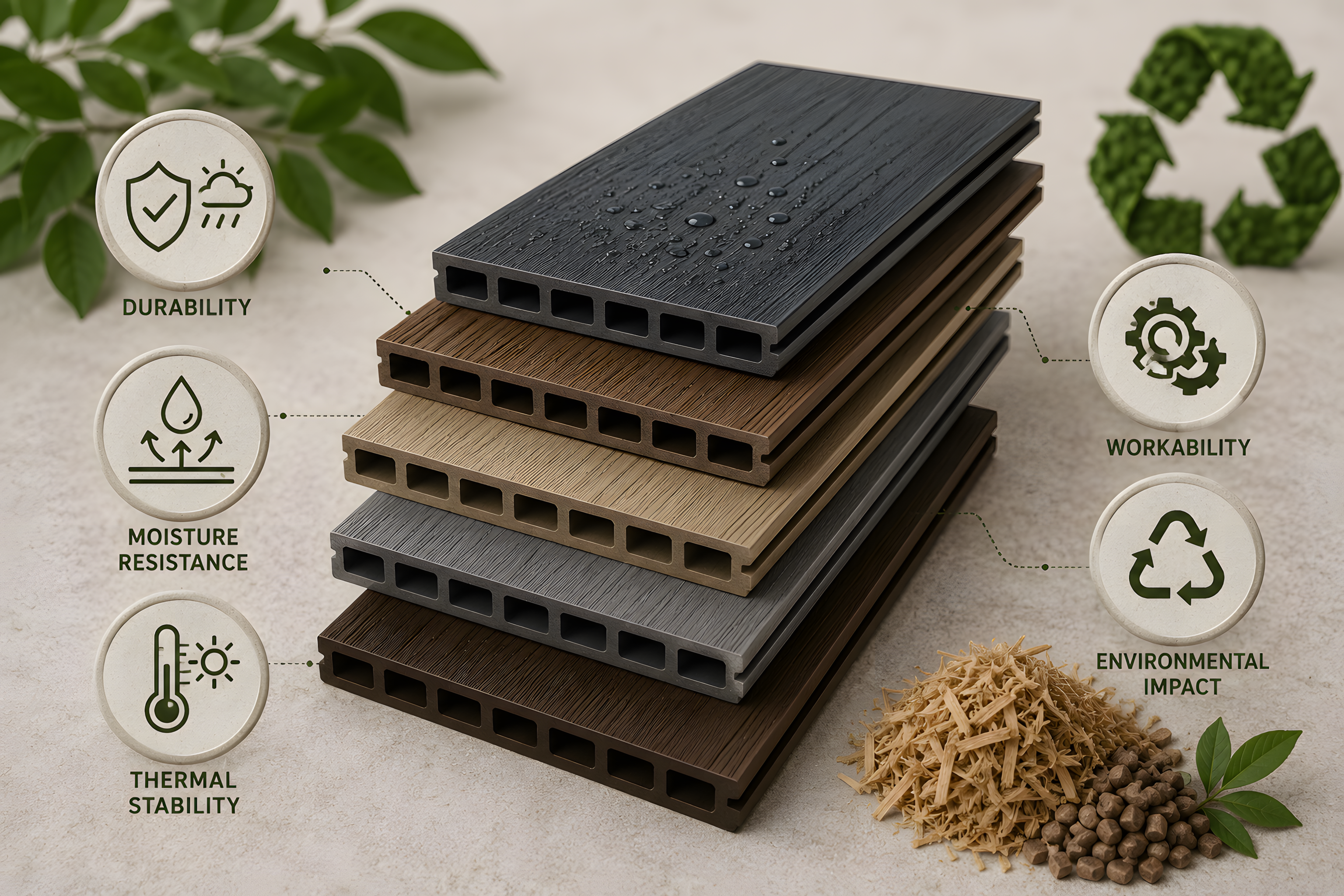
When selecting WPC materials, focus on the following properties to ensure optimal performance:
- Durability: Resistance to weathering, UV radiation, and mechanical stress.
- Moisture Resistance: Essential for outdoor applications in humid or coastal areas.
- Thermal Stability: Ability to withstand temperature fluctuations common in GCC climates.
- Workability: Ease of processing, cutting, and shaping during manufacturing.
- Environmental Impact: Preference for recycled or eco-friendly materials to meet sustainability goals.
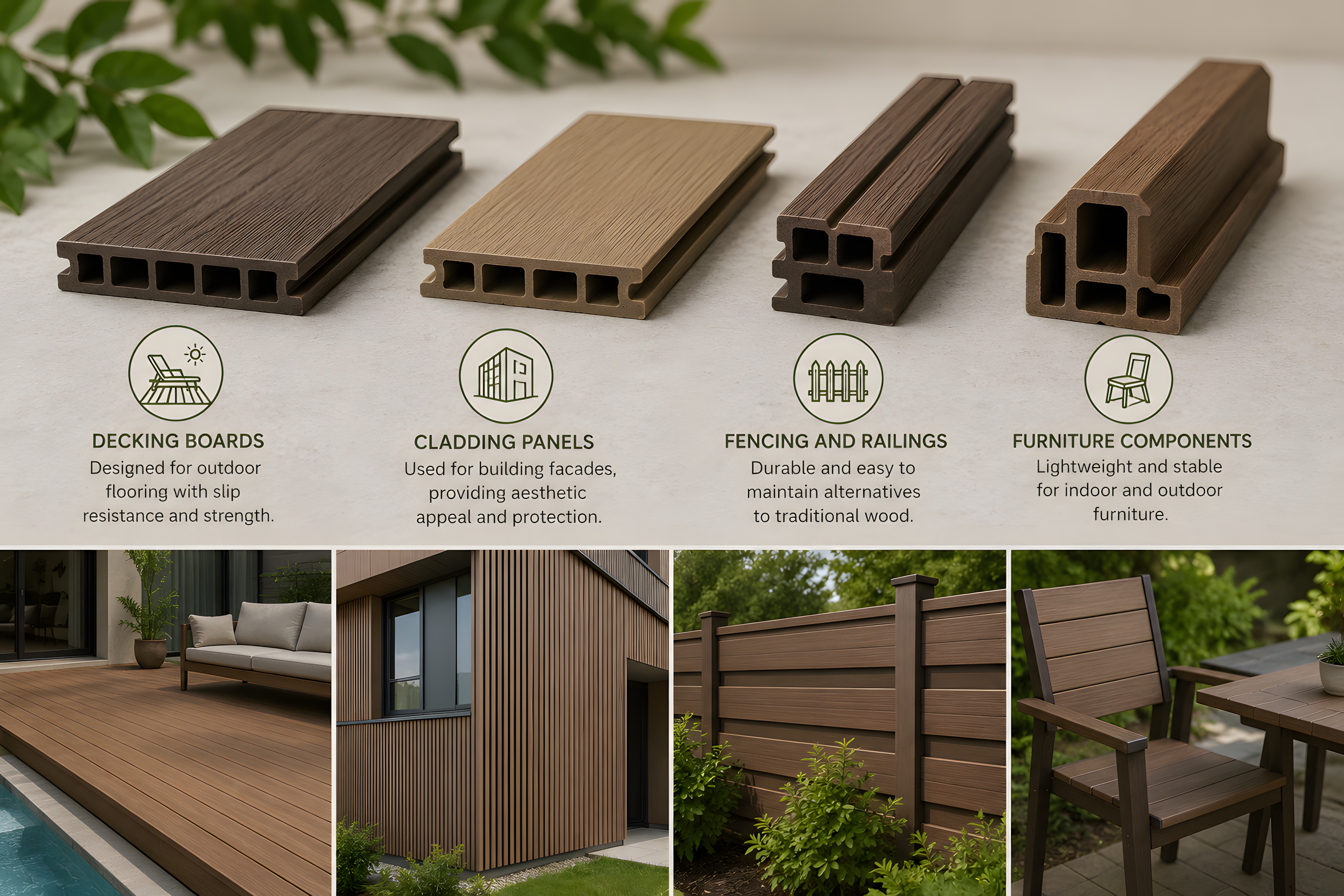
Types of WPC Profiles and Their Applications
WPC profiles come in various forms tailored for specific uses:
- Decking Boards: Designed for outdoor flooring with slip resistance and strength.
- Cladding Panels: Used for building facades, providing aesthetic appeal and protection.
- Fencing and Railings: Durable and easy to maintain alternatives to traditional wood.
- Furniture Components: Lightweight and stable for indoor and outdoor furniture.
Understanding the application helps you choose the right profile shape, size, and composition.
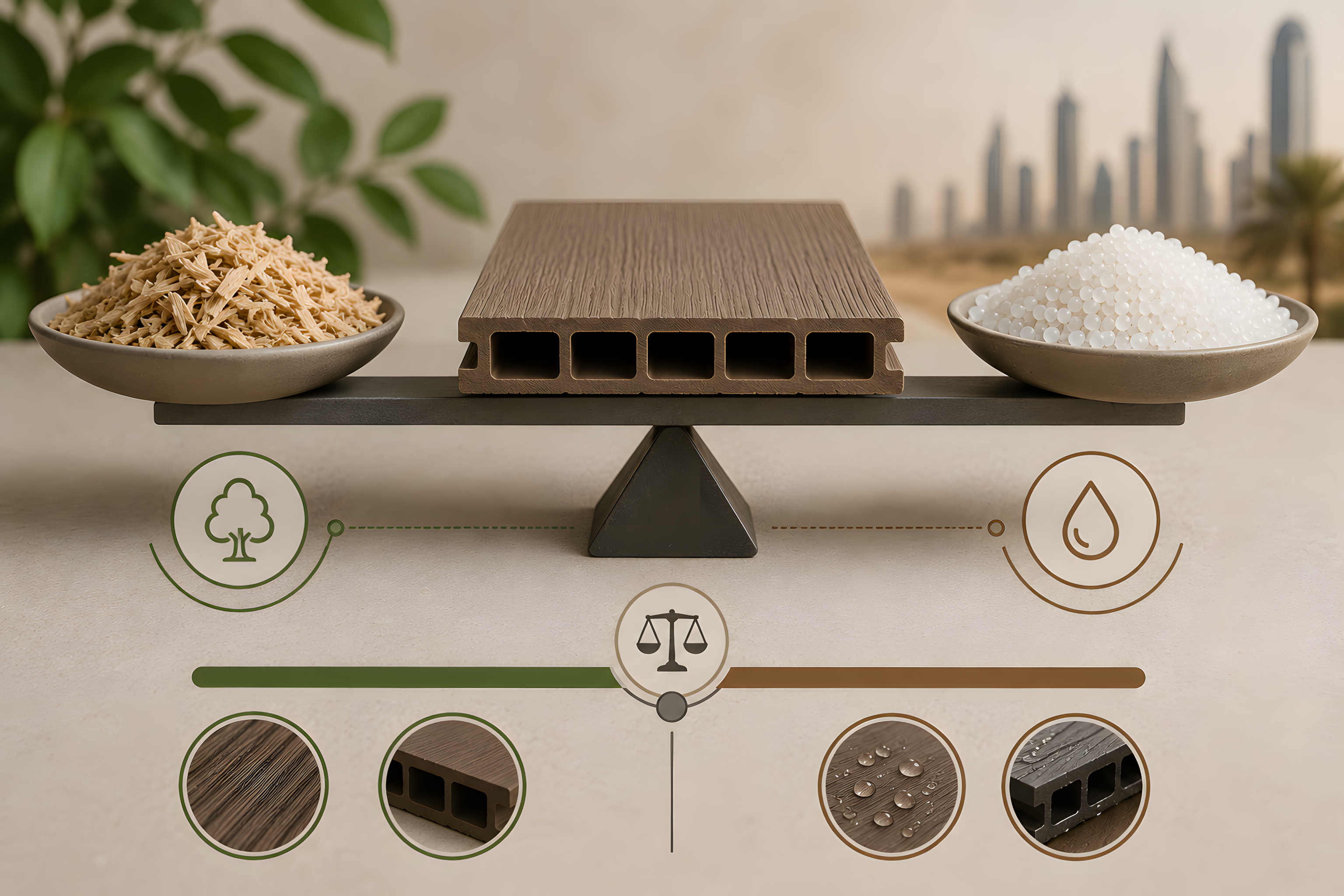
Material Composition: Balancing Wood and Plastic Content
The ratio of wood fibers to plastic affects the WPC material's properties:
- Higher Wood Content: Improves rigidity and natural appearance but may reduce moisture resistance.
- Higher Plastic Content: Enhances flexibility, water resistance, and longevity.
Manufacturers in Saudi Arabia and the GCC should tailor this balance based on climate and product use to maximize performance.

Evaluating Suppliers and Quality Standards
Selecting a reputable supplier is crucial:
- Verify compliance with international standards like ASTM, ISO, or EN.
- Request material data sheets and certifications.
- Assess supplier experience in delivering consistent WPC profiles suited to GCC market needs.
- Consider after-sales support and customization options.
Partnering with trusted suppliers ensures reliable supply and product quality.
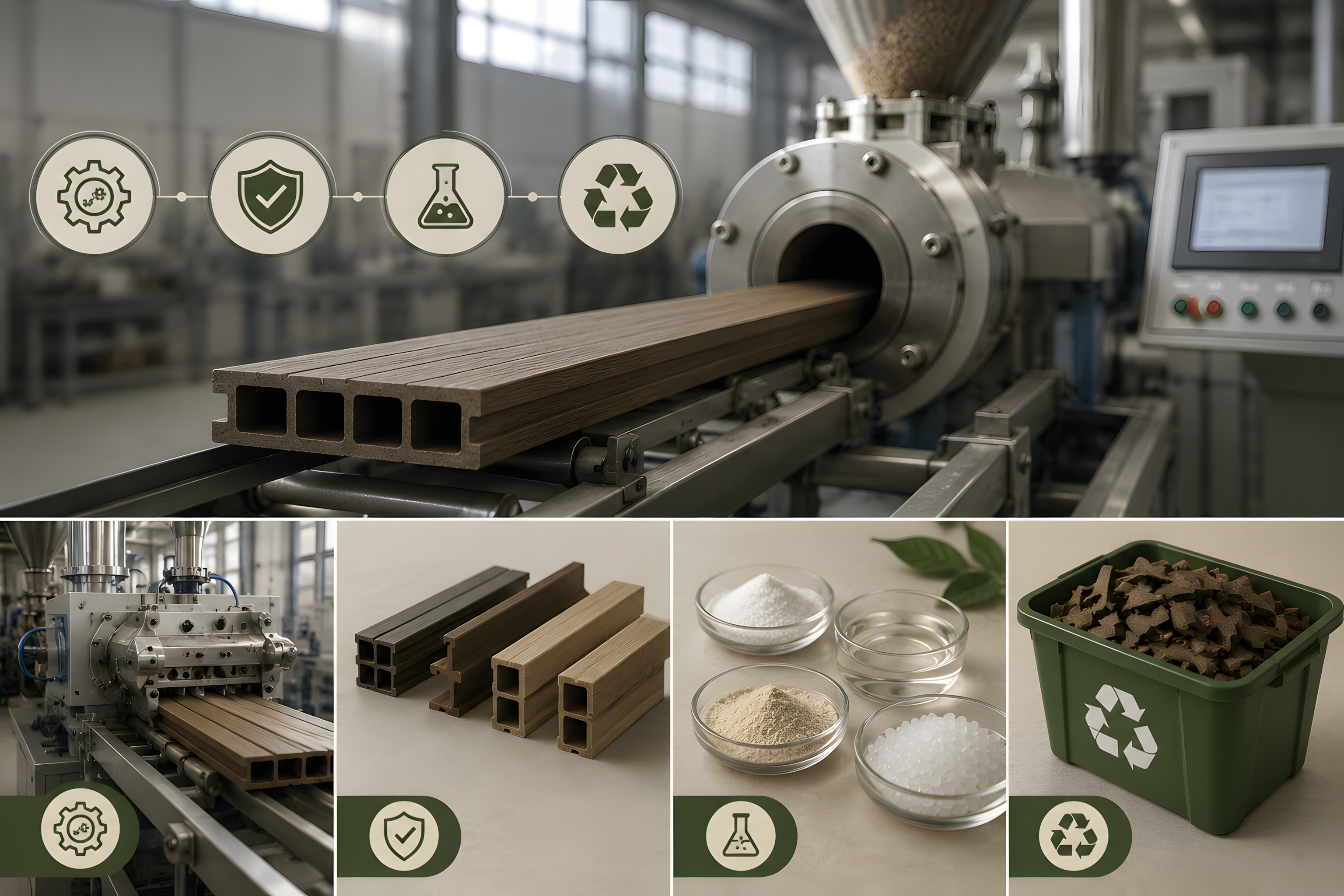
Manufacturing Considerations for WPC Materials
Optimize your production by considering:
- Processing Techniques: Injection molding, extrusion, or compression molding suitability.
- Equipment Compatibility: Ensure your machinery handles selected WPC materials efficiently.
- Additives and Enhancers: UV stabilizers, fire retardants, or coupling agents to improve performance.
- Waste Management: Efficient recycling or reuse of scrap materials to reduce costs.
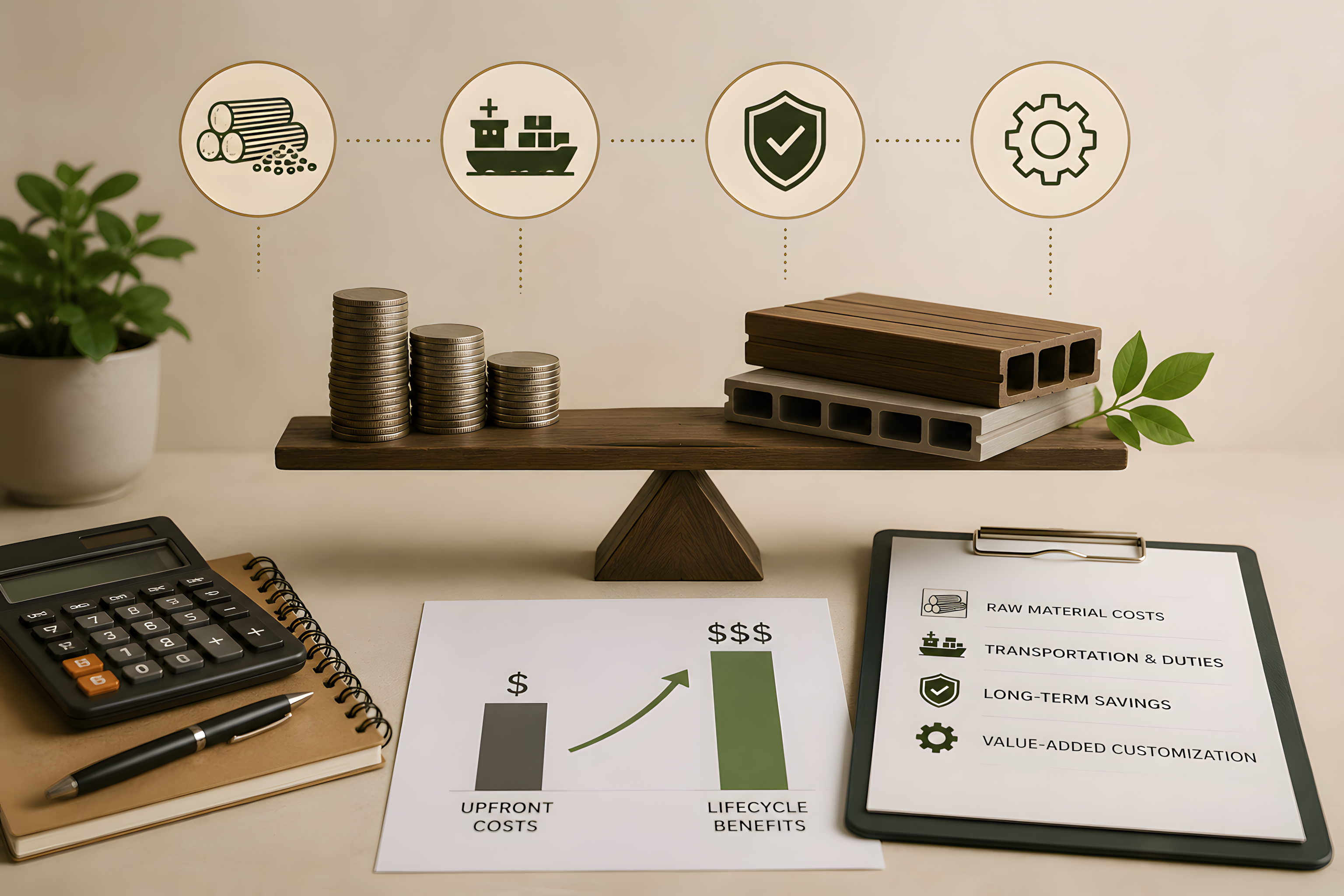
Cost Factors and Budgeting for WPC Material Selection
Budgeting effectively requires understanding:
- Raw material costs influenced by wood/plastic ratio and additives.
- Transportation and import duties within GCC countries.
- Long-term savings from durability and reduced maintenance.
- Potential for value-added customization increasing product price.
Balancing upfront costs with lifecycle benefits ensures profitability.
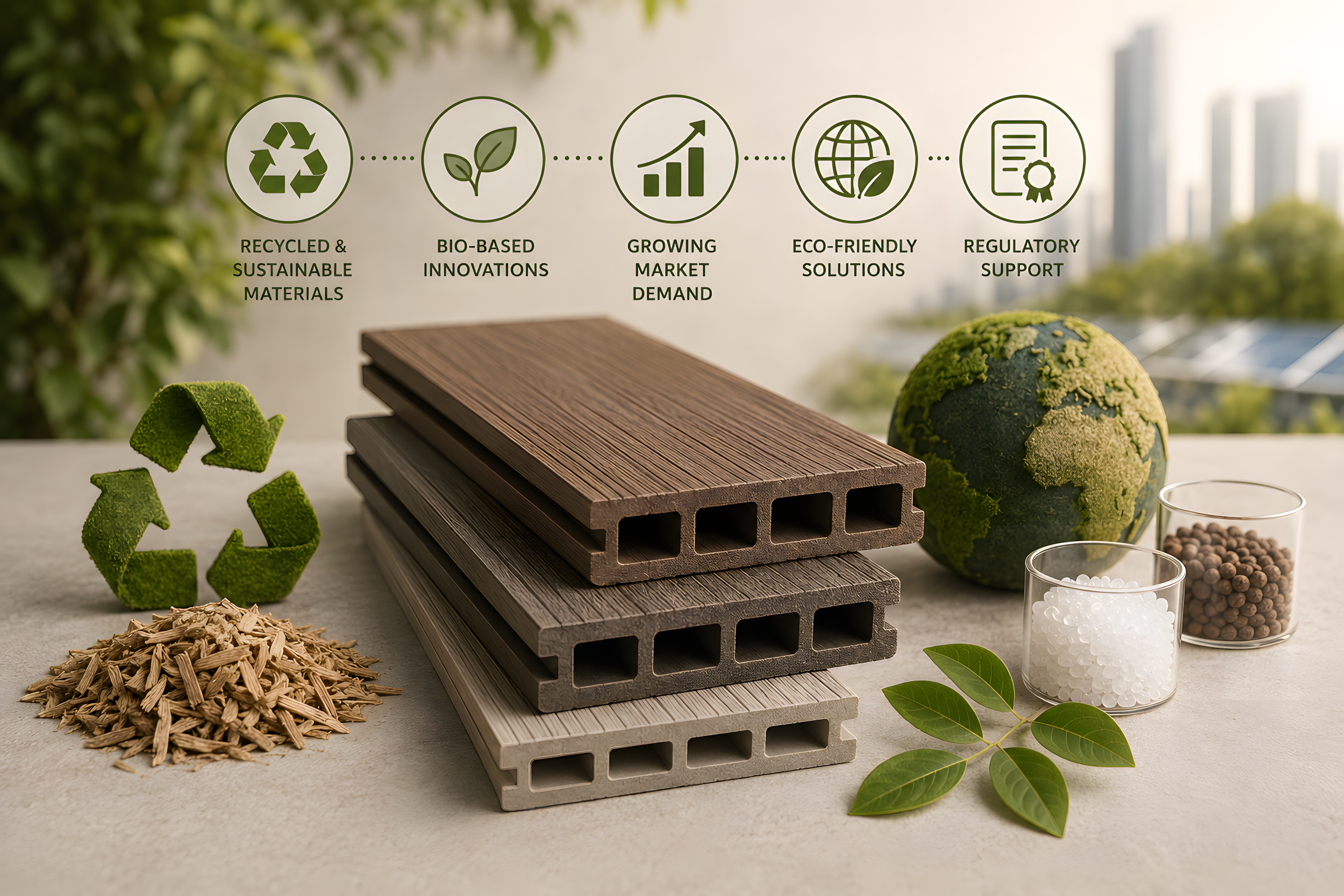
Sustainability and Future Trends in WPC Materials
Sustainability is a growing priority:
- Increasing use of recycled plastics and sustainably sourced wood fibers.
- Innovations in bio-based plastics reducing carbon footprint.
- Market demand for eco-friendly WPC profiles in Saudi Arabia and GCC.
- Regulatory incentives promoting green manufacturing.
Staying ahead with sustainable material choices positions your manufacturing business competitively.